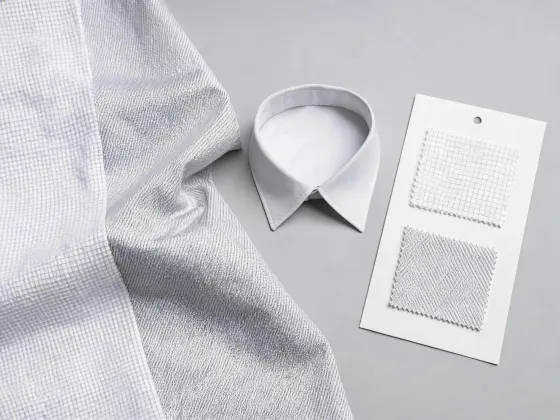
Shirts
Yarn count, weave density, usable width, shrinkage after the specified wash and shade consistency influence cutting efficiency and appearance.

Match construction and approval evidence to the garment, care route and production risk.
Explore Apparel FabricsYarn count, weave density, usable width, shrinkage after the specified wash and shade consistency influence cutting efficiency and appearance.
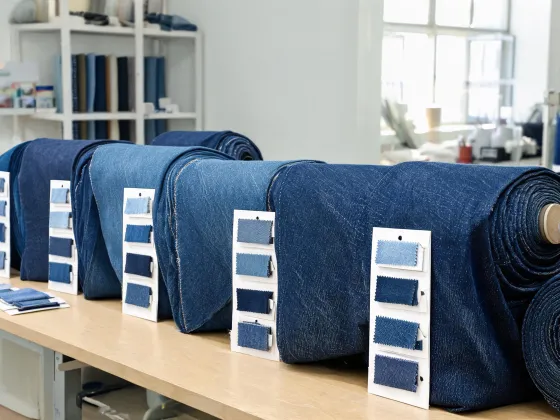
Basis weight, stretch recovery, skew, shade continuity and wash response require aligned substrate and laundering conditions.
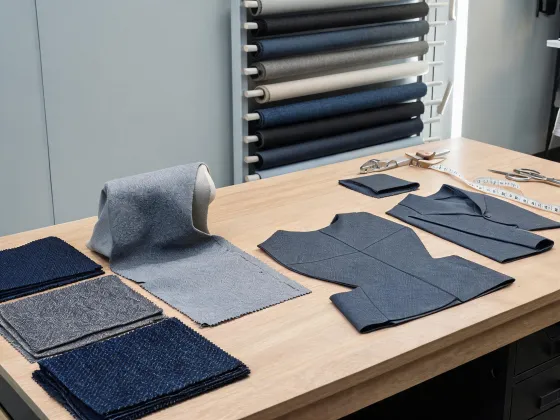
Drape, dimensional stability, seam compatibility and colorfastness are weighed against handle and garment construction.
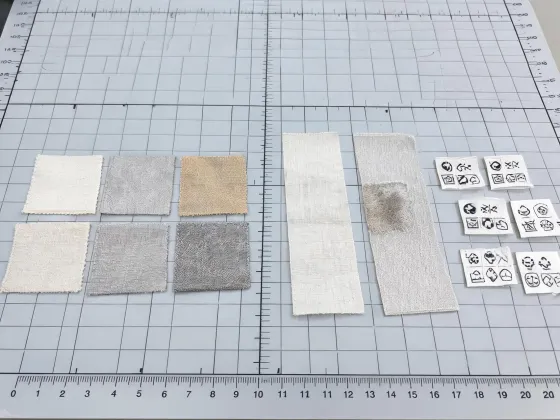
Repeat orders elevate lot continuity, abrasion behavior, care durability and documented tolerances above single-sample appearance.
| Decision | Option A | Option B | Boundary to verify |
|---|---|---|---|
| Natural vs synthetic content | Cotton can support familiar handle and moisture uptake. | Synthetic content can support strength, drying or recovery. | Blend ratio, care route, pilling, shrinkage and end-of-life claims. |
| Garment dye vs piece dye | Garment dye can create washed character after assembly. | Piece dye enables fabric inspection before cutting. | Shade variation, seam behavior, trims and minimum batch size. |
| Mechanical vs chemical finish | Mechanical routes alter surface or handle without the same chemistry. | Chemical finishes can target specific performance. | Durability after laundering, restricted substances and handfeel change. |
Scope note: no route is inherently preferable. Fiber source, shade depth, finish, test method, laundering and garment construction can change the outcome; bulk acceptance must refer to the ordered construction and lot.
Use these dimensions to reduce a broad fabric search to candidates suitable for sampling.
Share the application, care route, specification, tests, order size and delivery market.